
Chettinad Tiles is the story of a tile brand that was created to solve a problem
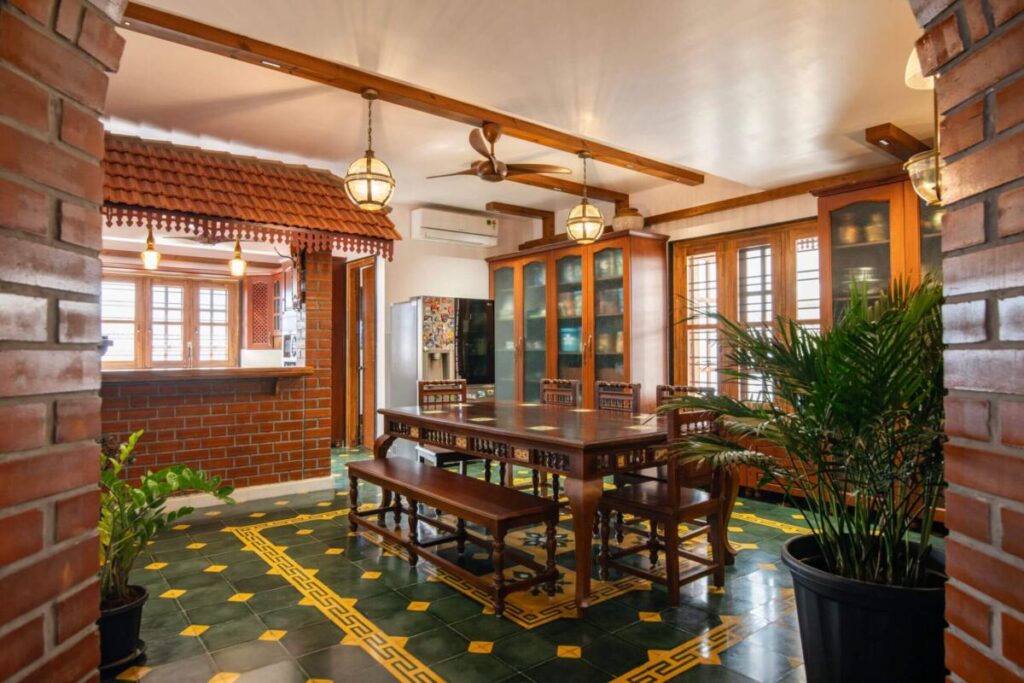
Chettinad Tiles is a manufacturing and execution-led company specialising in Athangudi cement tiles and curated antique Majolica tiles. Founded in 2019, it was built to address a persistent gap between the cultural value of Athangudi tiles and the inconsistency in how they are delivered.
The Tiles of India interviewed Mr. Vignesh Yuvraj, Managing Partner at Chettinad Tiles to gain more understanding and insight about Athangudi Tiles.
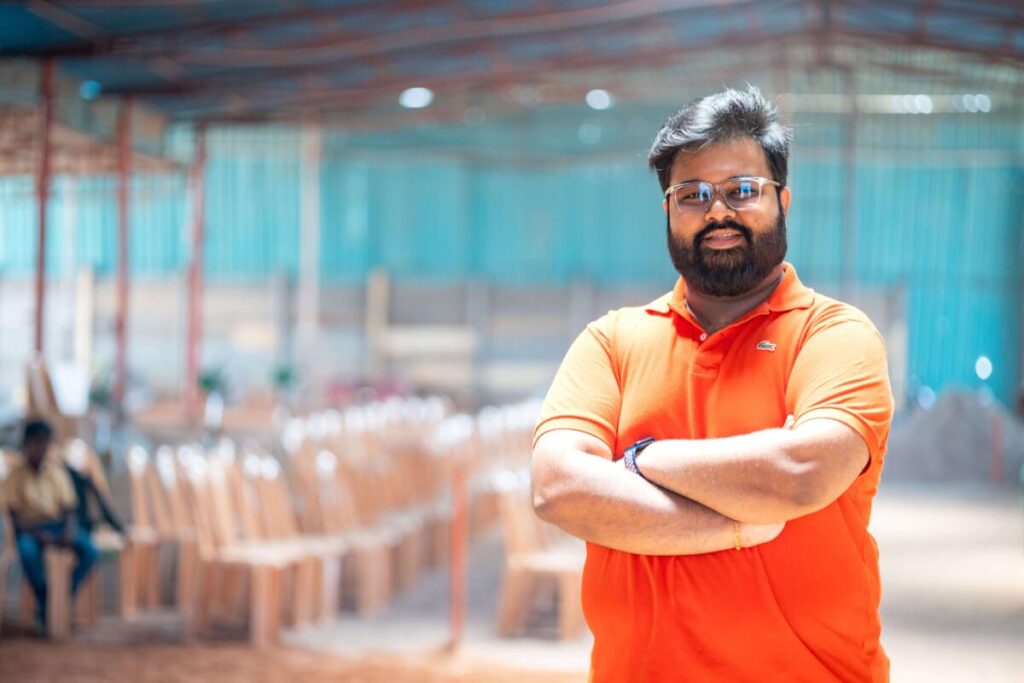
Chettinad Tiles have played an important role in preserving the tradition of Athangudi tiles. Could you share the story behind the founding of the company and how you became involved in this craft?
Chettinad Tiles was not built around a product. It was built around a problem.
In 2019, I (Vignesh Yuvaraj) and Srinivedhia began researching Athangudi tiles to understand why a craft of such cultural value was so difficult to execute well.
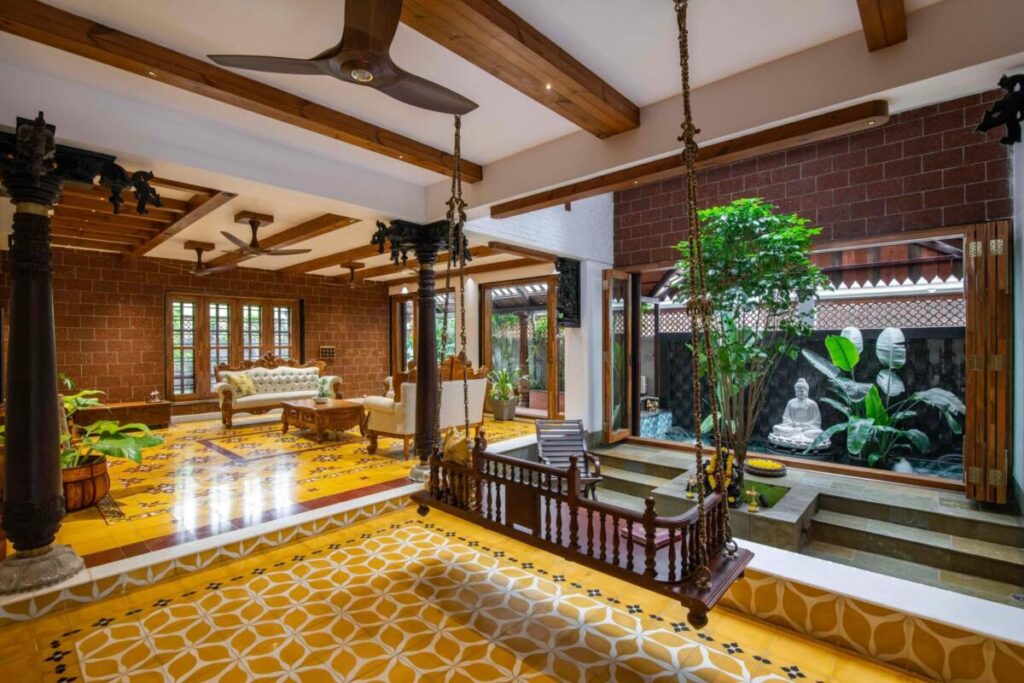
The defining moment came in 2021, when we installed Athangudi tiles in our own home and faced a lot of delays, inconsistent quality, and an installation experience that was very challenging. This was the beginning, Prasanth Balasubramanian joined to lead marketing, and together we built Chettinad Tiles on a simple belief: a craft of this value should not come with uncertainty.We manufacture the tiles, oversee installation, and remain accountable after completion.
Athangudi tiles are closely associated with the Chettinad region and its historic homes. How has the architectural heritage of Chettinad influenced the development of these tiles?
Athangudi tiles are closely associated with Chettinad today, but their origin is often misunderstood. The tiles did not emerge from Chettinad architecture, they became part of it.
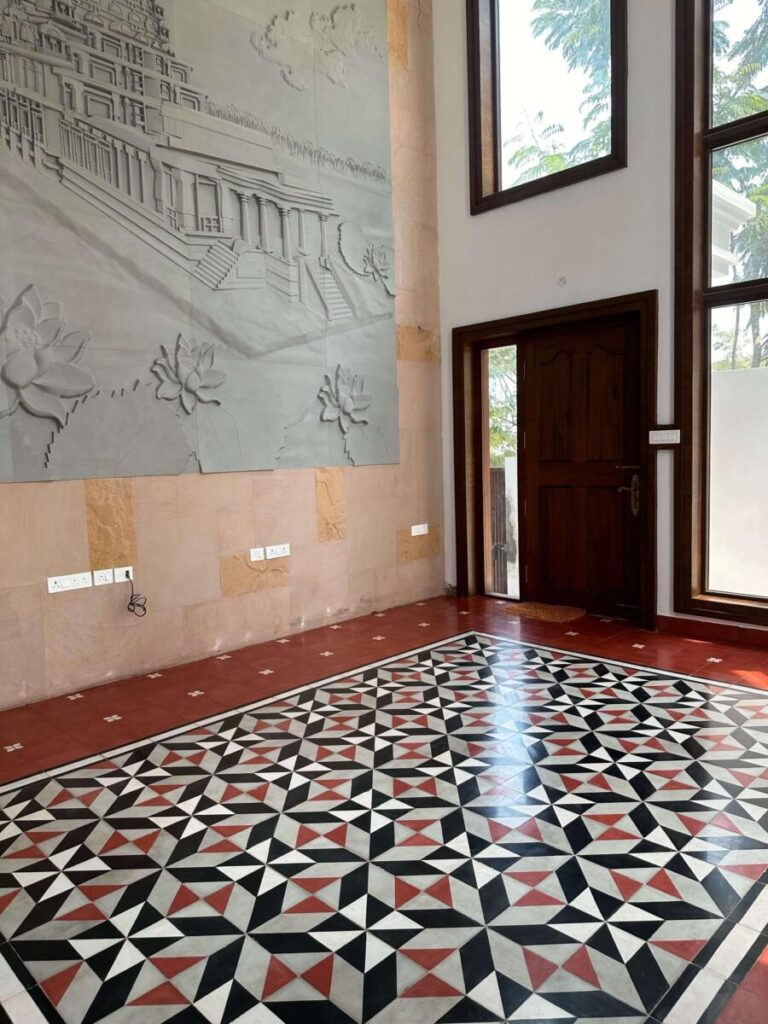
The Chettiar community, through extensive trade networks, travelled across Europe and Southeast Asia and brought back materials that reflected global influences of that time. Victorian tiles, along with Italian marble, Belgian glass, Burma teak, and Japanese Majolica tiles, were introduced into Chettinad homes in this manner. Athangudi tiles evolved later as a response to this exposure.
What makes Athangudi tiles unique compared to other traditional or contemporary tiles in terms of materials, colours, and craftsmanship?
Athangudi tiles are made using a limited set of materials: oxide pigments, Athangudi river sand, cement, and M-sand. The local sand is quartz-rich, which allows the pigmented surface layer to achieve dense packing. This results in a finish that is hard-wearing, naturally lustrous, and capable of retaining colour depth over time.
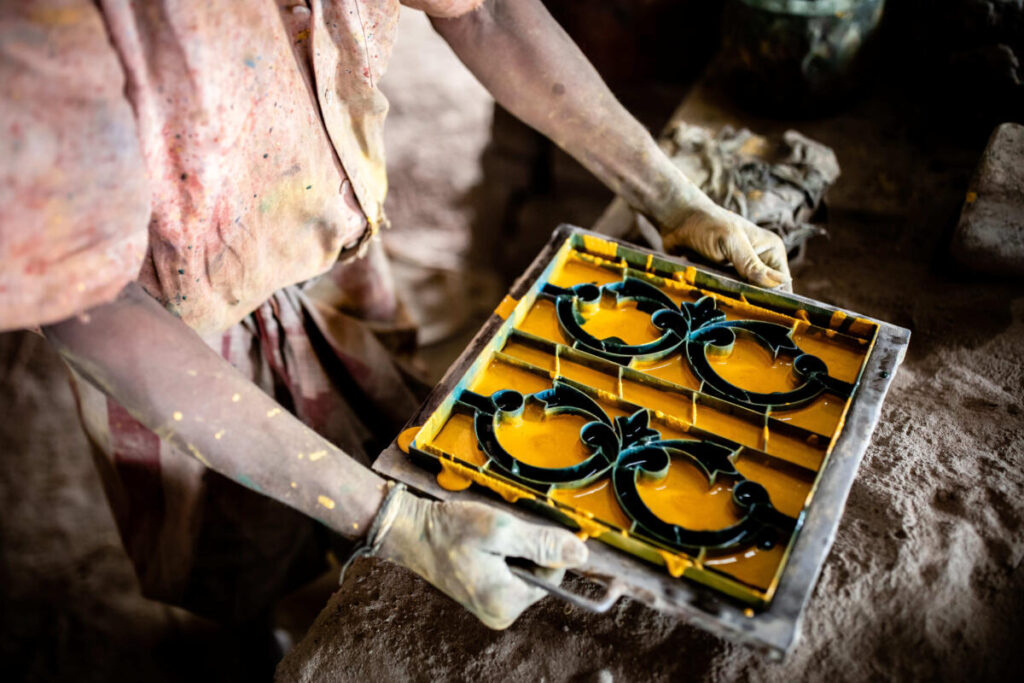
The process is entirely manual. There is no hydraulic pressing; the tiles are hand-poured, water-cured, and shade-dried, allowing strength to develop gradually.
What are some of the challenges involved in sustaining this traditional craft in the modern tile industry?
The primary challenge is not demand, but continuity.Athangudi, once known almost entirely for tile-making, is gradually shifting away from the craft. At the labour level, the economics are unfavourable. There is also a shortage of skilled layers.
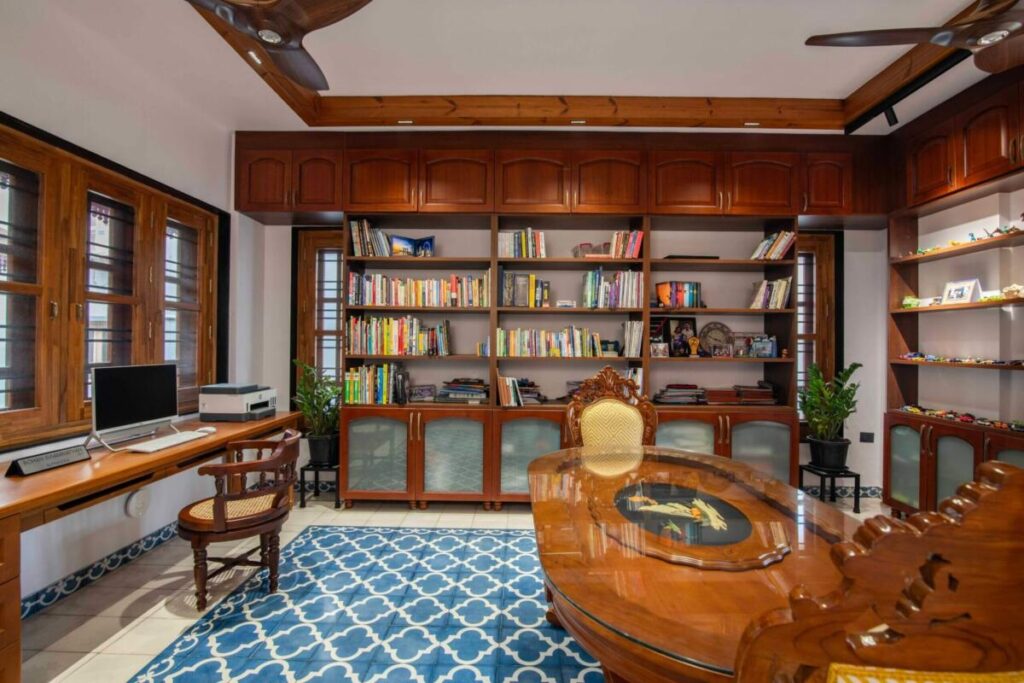
Sustaining the craft therefore requires alignment across labour, process, pricing, and customer expectations, along with accountability in both manufacturing and execution.
www.chettinadtiles.com


GIPHY App Key not set. Please check settings