

Romero Britto, the Art of Happiness and the founder of the Happy Art Movement
Romero Britto, the founder of the Happy Art Movement explains how optimism sits at the heart of this journey
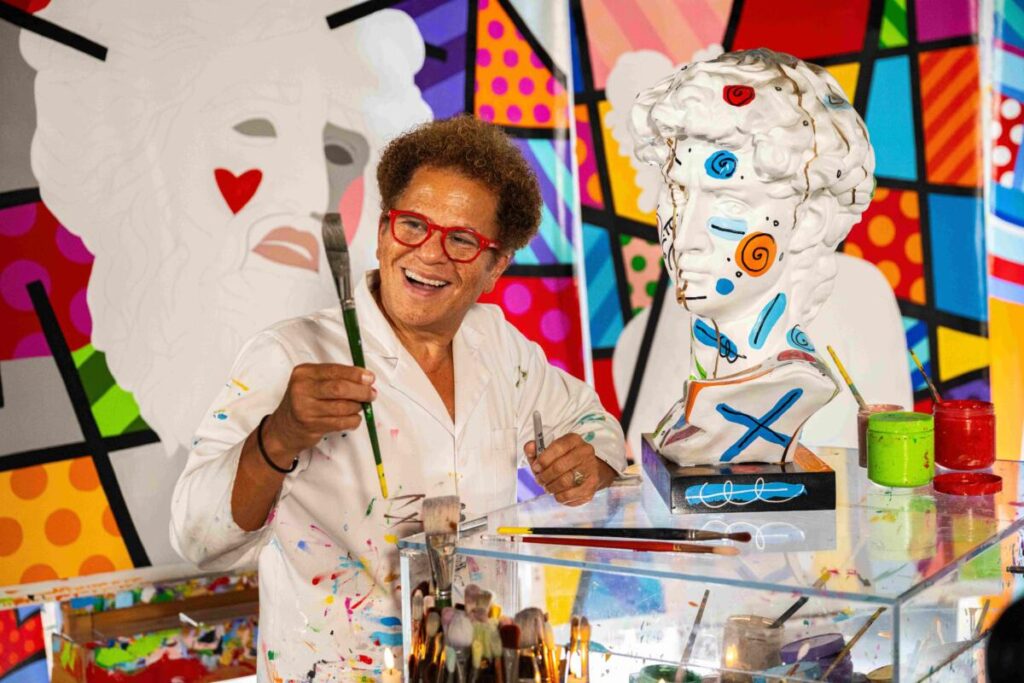
From Miami to the world, the making of a distinctive artistic voice
Some artists invite audiences to look more closely at the world; Romero Britto invites them to see its possibilities. His instantly recognizable compositions combine vibrant color, confident black outlines, geometric forms and playful subjects. The Brazilian native, Miami made artist has built an international career around an accessible visual language associated with happiness, love and hope. His artistic identity draws on both Cubism and Pop Art, yet the resulting work is unmistakably his own. [1, 2]
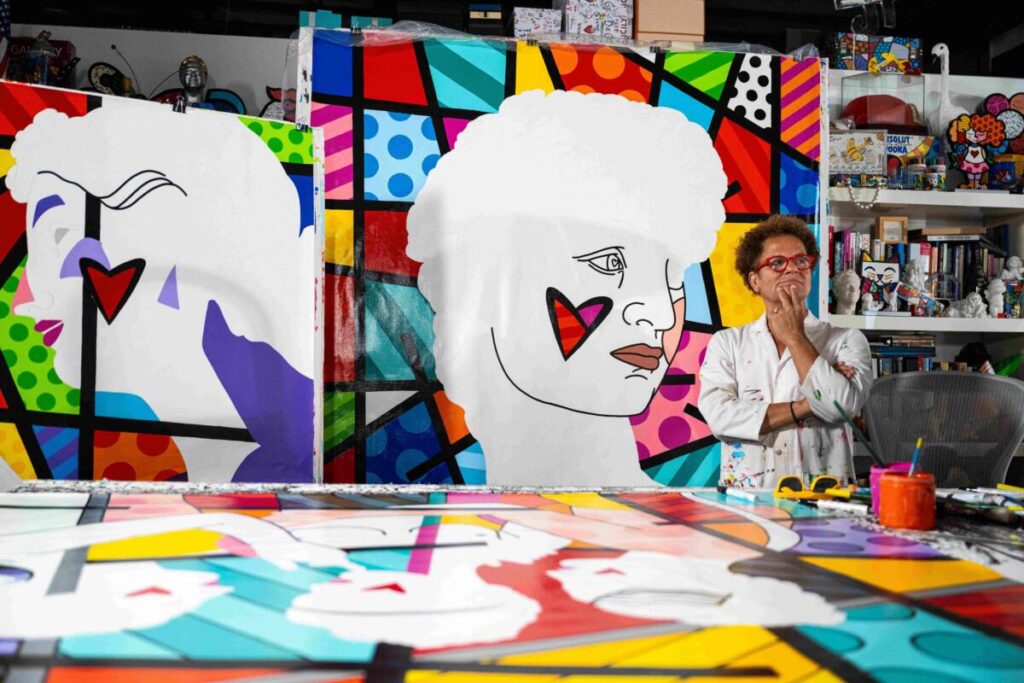
Behind that exuberant imagery is a story of resourcefulness: a young artist who began with limited materials, encountered transformative artistic influences abroad and developed a career that has carried his work into galleries, public spaces and adding visual language to everyday life. [1, 2]
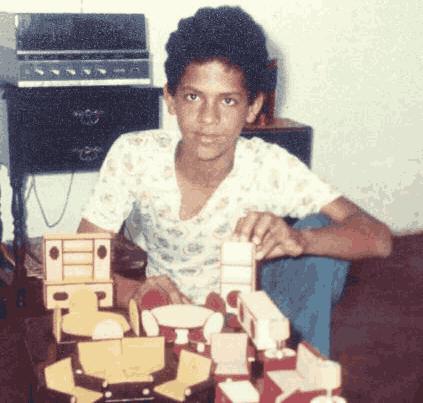
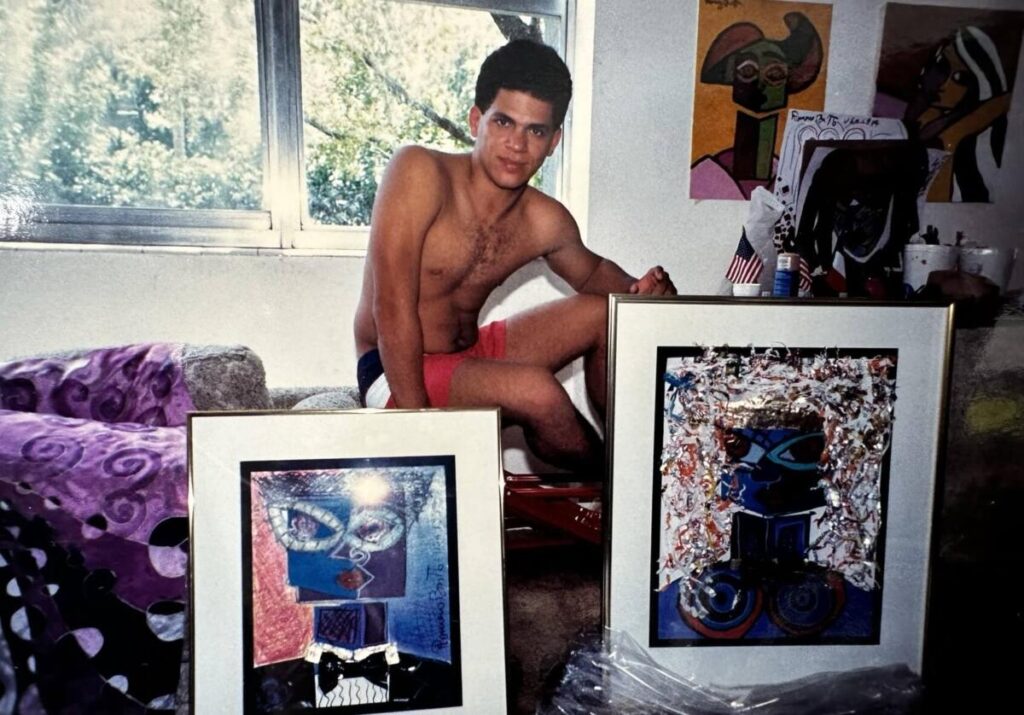
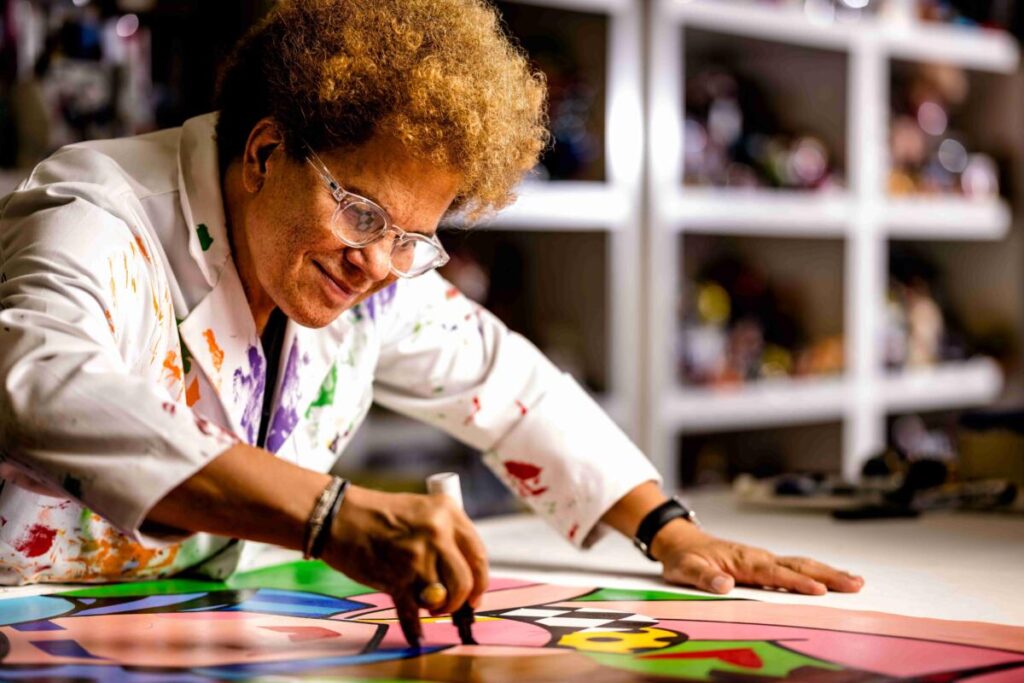
Britto was born in 1963 in Recife, Brazil. Largely self-taught from an early age, he used newspapers, cardboard and other scraps as surfaces for his paintings. His story is compelling in its simplicity: artistic ambition emerged through practice, curiosity and an ability to make something expressive from ordinary materials. That early resourcefulness remains a meaningful starting point for understanding the artist he became. [1]
Britto travelled to Europe, where he encountered the works of Henri Matisse and Pablo Picasso. Their approaches to color and form became part of the artistic foundation from which he would build his own style. His official biography also identifies Andy Warhol, Keith Haring and Roy Lichtenstein among his influences. [1, 2]
The relationship between those influences and his mature work is visible in the bold geometry, energetic surfaces and familiar imagery. Yet Britto does not simply reproduce an earlier movement. He joins graphic clarity to a celebratory palette, turning recognizable motifs into compositions that can speak to viewers across ages and languages. [1, 2]
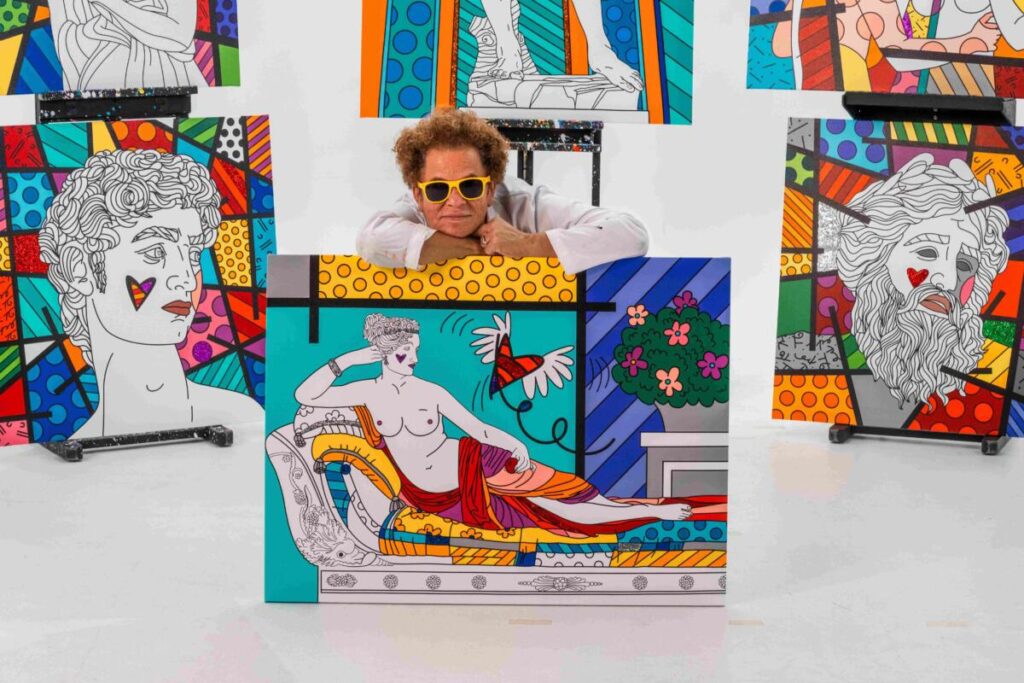
After exhibiting in galleries and private shows, Britto was encouraged to travel to the United States, where Pop Art was flourishing. Miami became the base from which his creative and business ventures expanded. A defining early recognition came in 1988, when he was selected for Absolut Vodka’s Absolut Art campaign; alongside Warhol and Haring among the other artists associated with that campaign. The selection helped introduce his imagery to a wider audience. [1]
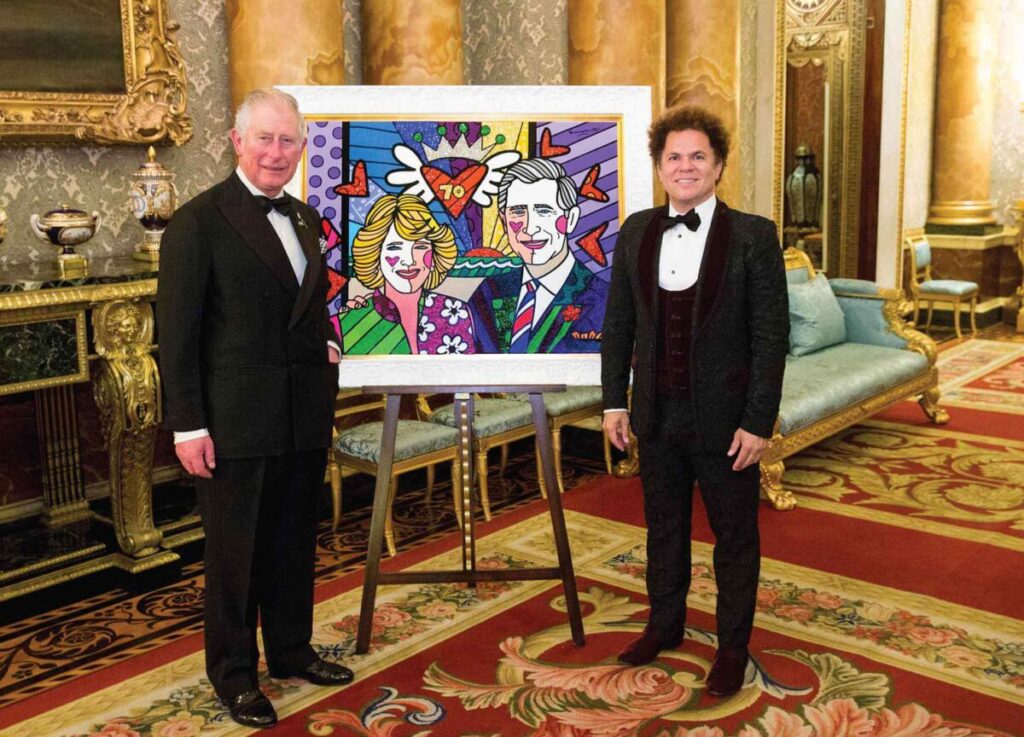
His development in Miami connected the discipline of fine-art making with an unusually expansive vision for where artwork might live. Paintings and sculptures remained central, while the imagery increasingly reached new audiences through installations and partnerships. [1, 2]
The Happy Art Movement
According to his official biography, Britto founded the Happy Art Movement in 1992, giving a name to a mission of inspiring happiness, fun, love and optimism through art. That philosophy helps explain the consistency of his imagery: affection, companionship and celebration are not incidental subjects but recurring elements of his creative world. [2]
His often-cited conviction that “art is too important not to share” also helps connect the different sides of his career. Art, in this view, need not remain confined to a private collection or formal exhibition. It can be encountered in shared spaces and incorporated into objects people use and enjoy. [1, 2]
He has exhibited his work in more than 100 countries, including the Salon de la Société Nationale des Beaux-Arts at the Carrousel du Louvre in Paris in 2008 and 2010. In December 2013, Britto became the first living artist invited to exhibit at Museo Soumaya in Mexico City. [1]
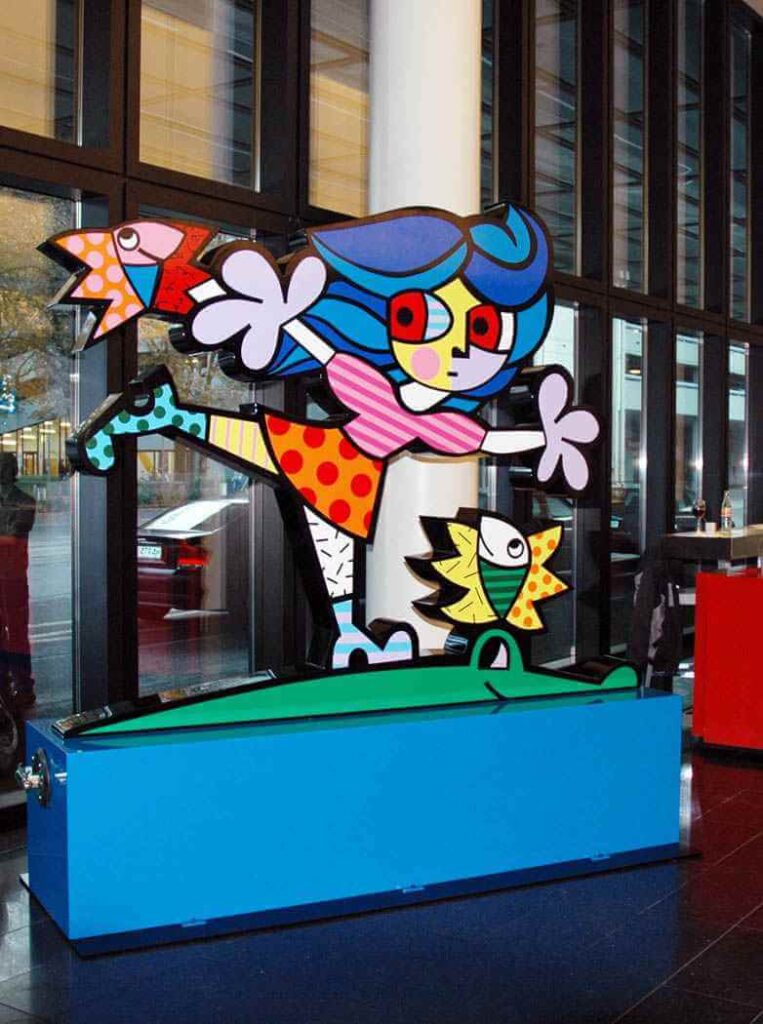
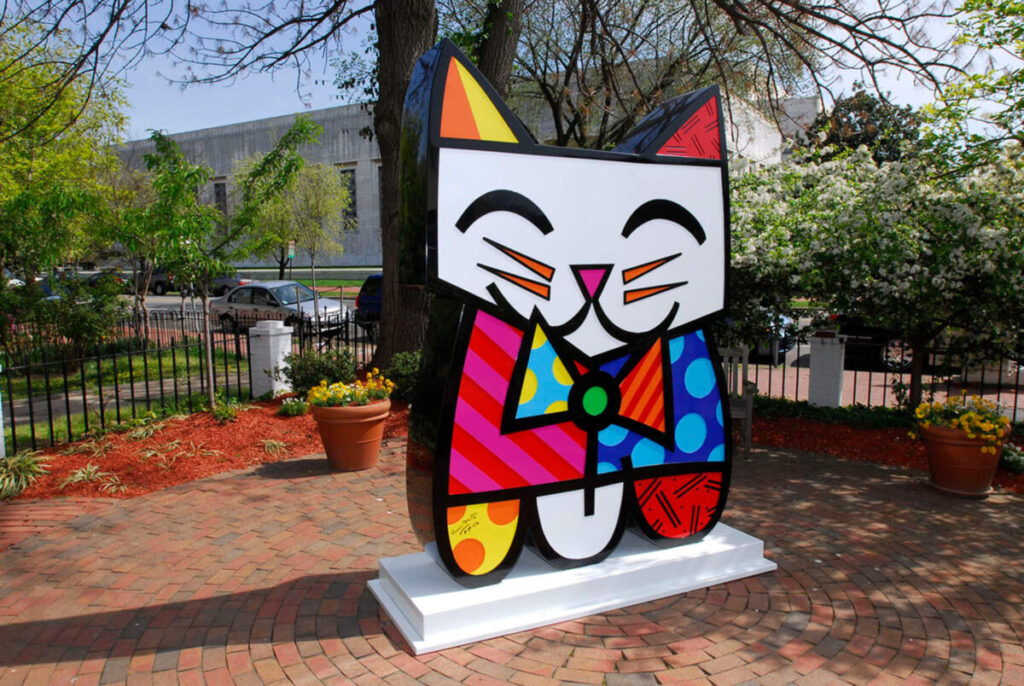
His public projects have included installations associated with Berlin’s O2 venue and New York’s John F. Kennedy Airport. His official biography also records his involvement in the opening of Super Bowl XLI with Cirque du Soleil, his role as an official artist for the 2010 FIFA World Cup in South Africa, his ambassadorship for the 2014 tournament in Brazil, and his participation as an honorary torchbearer and ambassador for the Rio 2016 Olympic Games. [1, 2]
These occasions brought his bright visual vocabulary into the shared experience of international audiences. [1, 3]
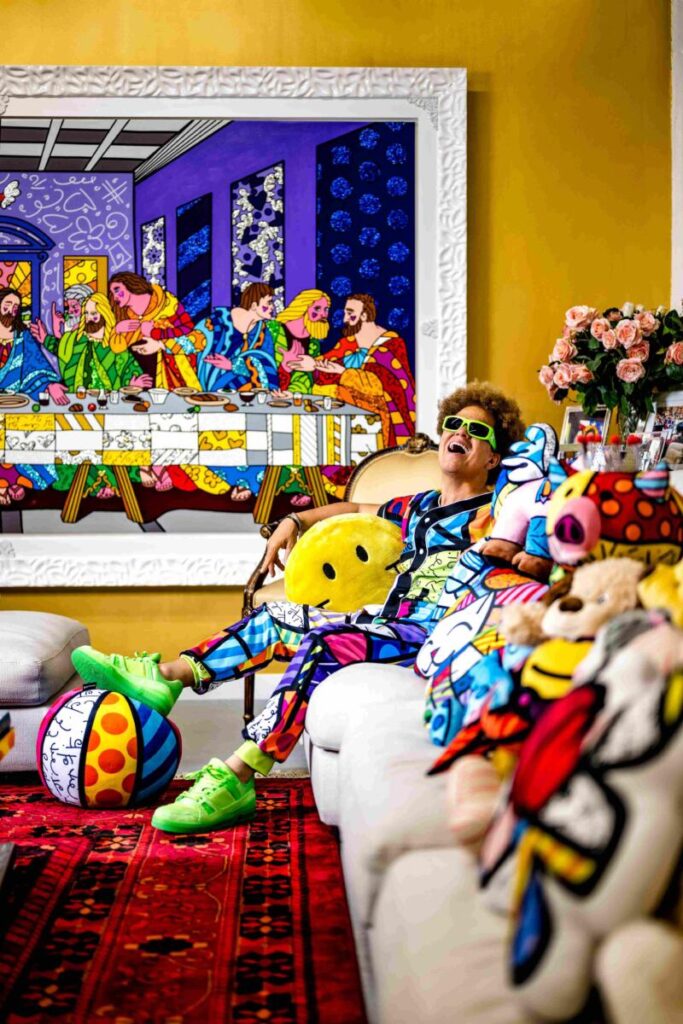
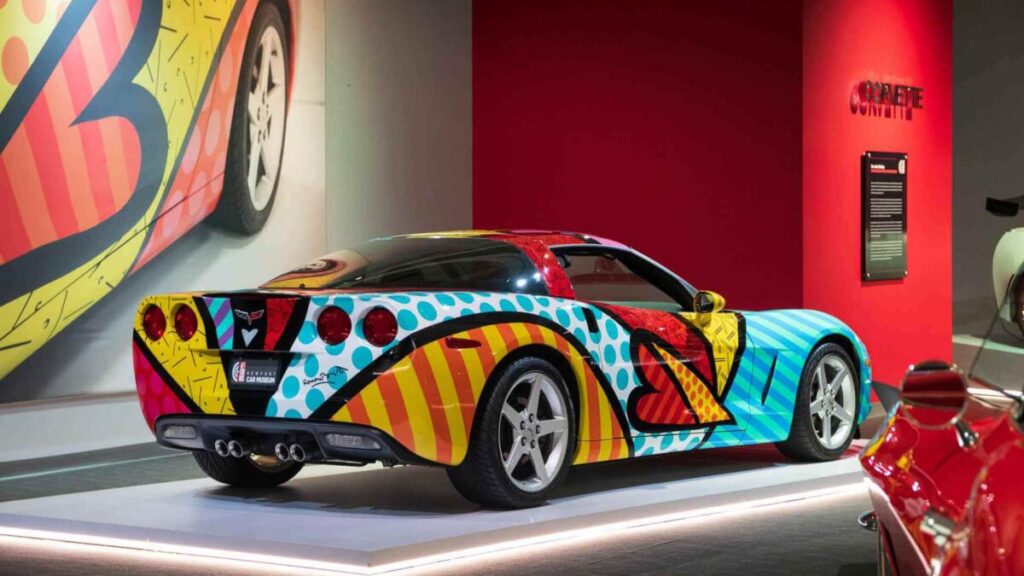
Britto’s practice encompasses original paintings, mixed-media works, sculptures and limited edition prints. His official website identifies Romero Britto Fine Art as the exclusive worldwide publisher of his artworks and describes an authorized gallery network. His creative work has also extended into collaborations with major brands including Disney, Coca-Cola, Bentley, Hublot and Mattel, to name a few. [1, 2]
The breadth of these projects reflects a distinctive approach to artistic reach: a collector may encounter Britto through a painting or sculpture, while another admirer first discovers his imagery through a designed object. Both connect back to the same colorful artistic signature. [2]
The social dimension of his career extends beyond the subjects of his art. Britto has contributed time, artwork and resources to more than 250 charitable organizations, and notes his involvement with organizations including the Kings Trust, World Childhood Foundation, Best Buddies International and St. Jude’s Children’s Research Hospital. This charitable record gives tangible expression to the positive-change philosophy associated with his work. [1]
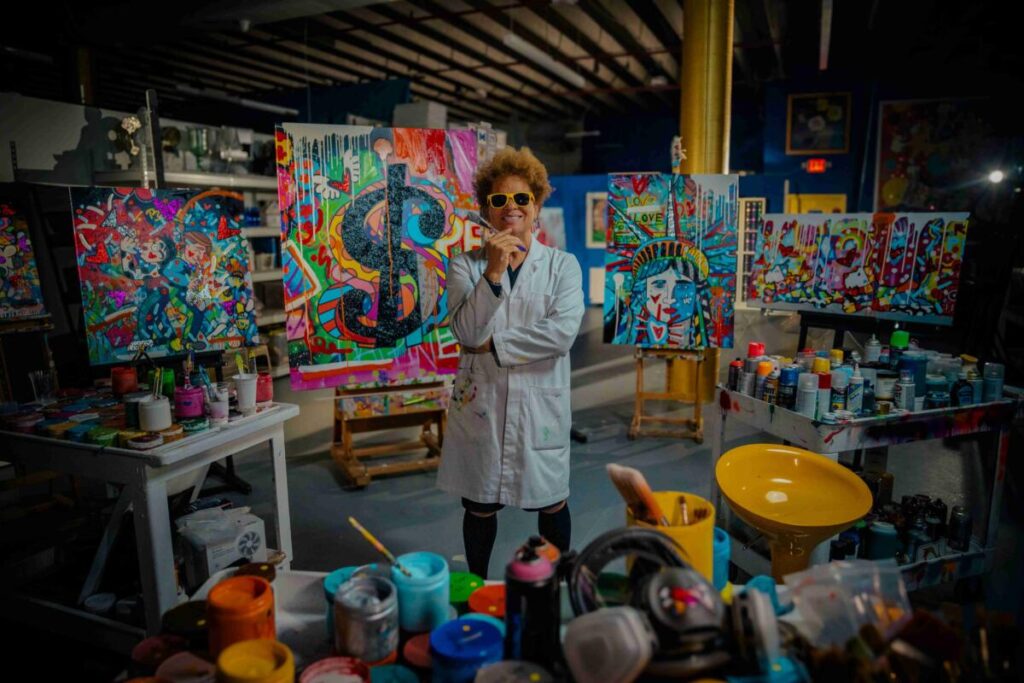
Britto continues to create from Miami. His official website describes a 60,000-square-foot headquarters where original paintings and limited-edition prints are produced and where sculpture and consumer-product designs are developed. The scale of the space speaks to the breadth of a practice that spans fine art, public projects and design. [2]
For those seeking a more personal view of the journey, The BRITTO Doc offers another way to explore the artist’s story. His trajectory from painting on improvised surfaces in Recife to creating work encountered internationally illustrates the lasting power of an identifiable artistic vision. The message remains inviting: color can communicate, creativity can connect, and happiness can be shared. [1, 2, 4]
To discover more about Romero Britto, explore his fine art, limited-edition prints, sculptures and lifestyle collections, or purchase authentic BRITTO® creations, visit www.shopbritto.com. [2]
Editorial Source Notes
Numbered references in the feature correspond to the sources below. Official BRITTO statements are attributed where appropriate. Accessed October 20, 2026. The OAS exhibition anecdote and an unverified exact Miami relocation year have been omitted.
1. Florida Department of State — Romero Britto, Florida Artists Hall of Fame
https://dos.fl.gov/cultural/programs/florida-artists-hall-of-fame/romero-britto
Independent institutional biography: birthplace, early materials, Paris, Absolut, exhibitions, public art, partnerships, philanthropy and 2016 induction.
2. Romero Britto — Official Artist Biography
https://www.shopbritto.com/pages/the-artist
Primary source: artistic influences, Happy Art Movement, sporting events, studio, art categories, brand partnerships and purchasing destination.
3. Florida Department of State — Hall of Fame Induction Announcement
Independent confirmation of the 2016 induction.
4. The BRITTO Doc — Official Page
https://www.shopbritto.com/pages/the-britto-doc
Primary source for the documentary and where readers can learn more.
Visit Website: www.britto.com


GIPHY App Key not set. Please check settings