

Stuart Rodgers: Digital Technology & Craftsmanship can work together to enrich architectural design.

Stuart Rodgers shares with us his take on digital technology and its role in creating a more richer design vocabulary for built spaces
Stuart Rodgers is a British product designer whose work focuses on architectural surfaces, including mosaic, terrazzo and ceramic collections for contemporary interiors. With more than 25 years of experience across the interior materials industry, his work spans design, product development, manufacturing and specification, giving him a rare understanding of how ideas become architectural surfaces.
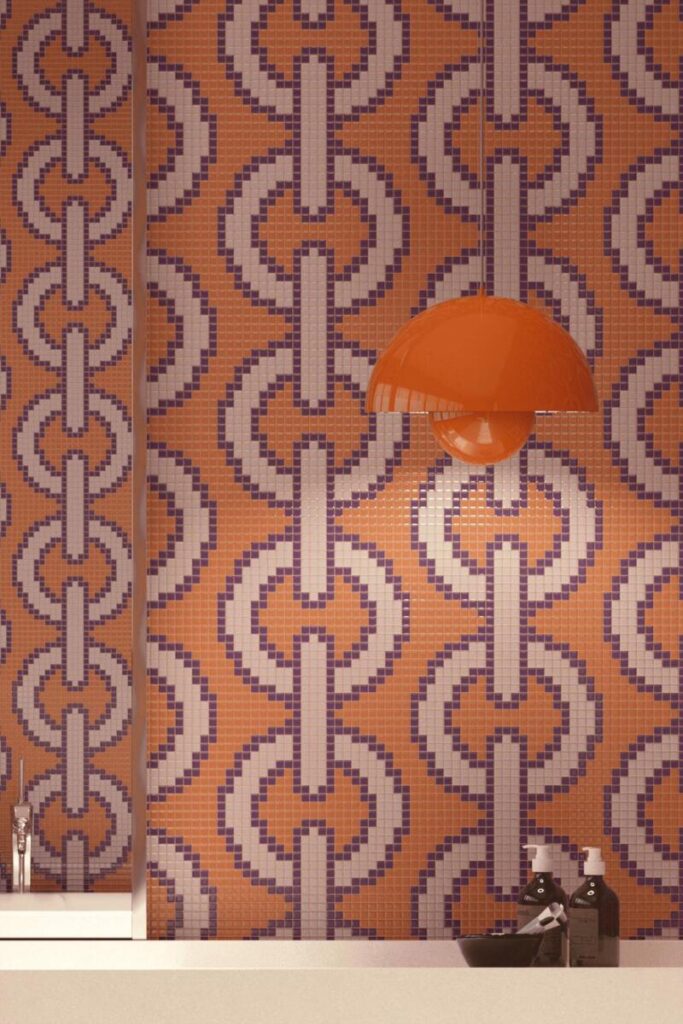
After studying Three-Dimensional Design at Middlesex Polytechnic, Stuart established an independent practice, collaborating with leading Italian manufacturers to develop original collections that balance material innovation with enduring design principles. His collections are manufactured in Italy and have been exhibited internationally.
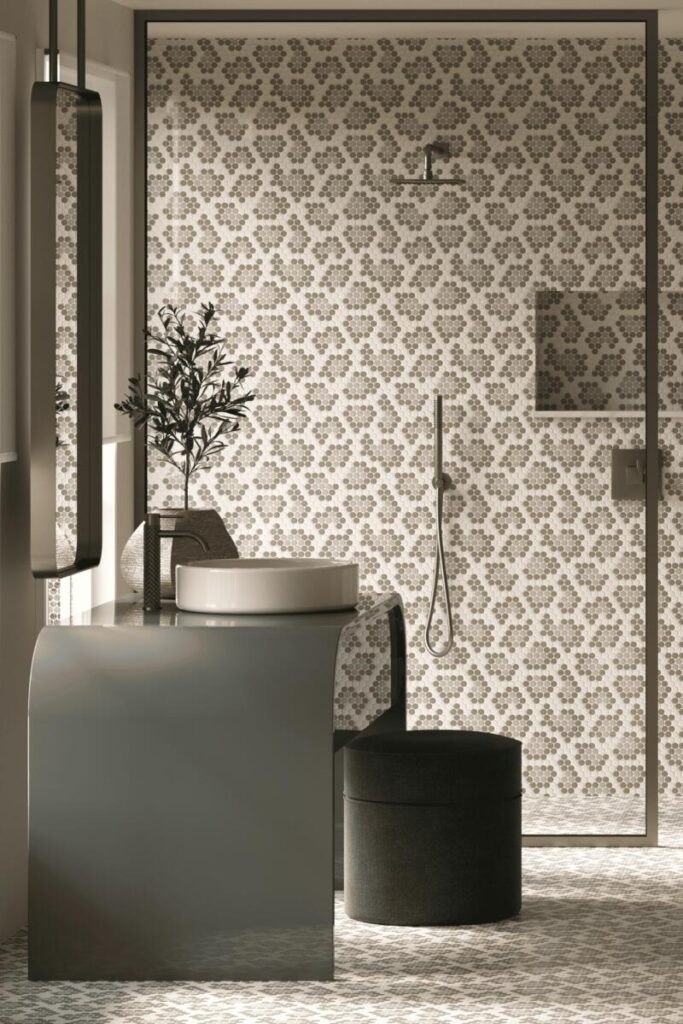
Drawing on the visual language of twentieth century architecture, his work explores geometry, proportion and pattern through contemporary materials and production techniques. Digital tools form an important part of his creative process, allowing ideas to evolve rapidly before they are refined through collaboration with skilled manufacturers. The result is a body of work that celebrates craftsmanship while embracing the creative opportunities of modern technology.
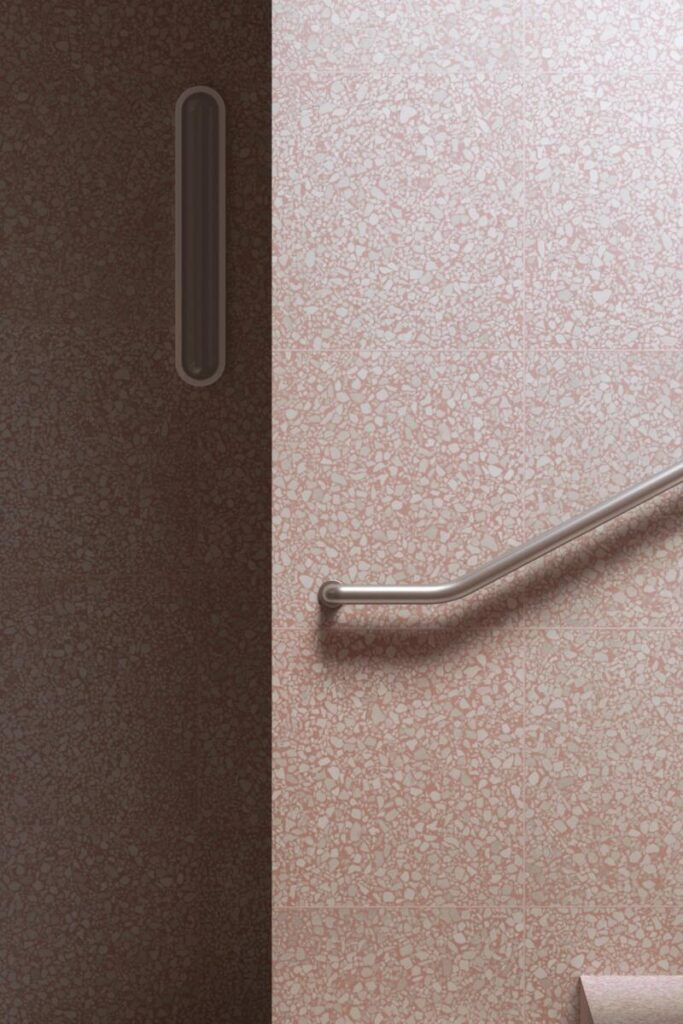
Sharing his take on digital technology he says, “For me, digital technology has never been about replacing craftsmanship. Instead, it has become another tool in the design process. It allows ideas to evolve with a freedom that simply wasn’t possible a generation ago, while the finished work still depends on the knowledge, precision and experience of the people who make it.
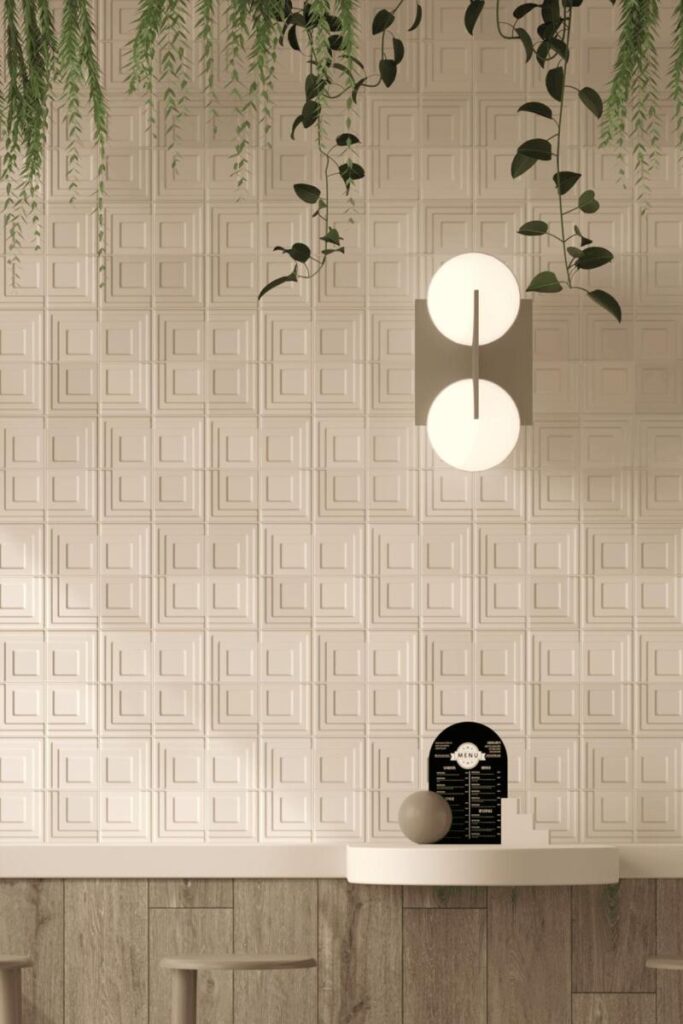
My practice focuses on architectural surface design, particularly mosaic, terrazzo and ceramic materials. I use digital tools to test proportion, rhythm and geometry at a pace that encourages curiosity. A single idea can quickly become hundreds of variations, revealing unexpected relationships between scale, colour and pattern. Many of those explorations are abandoned in favour of those that resonate beyond the screen.
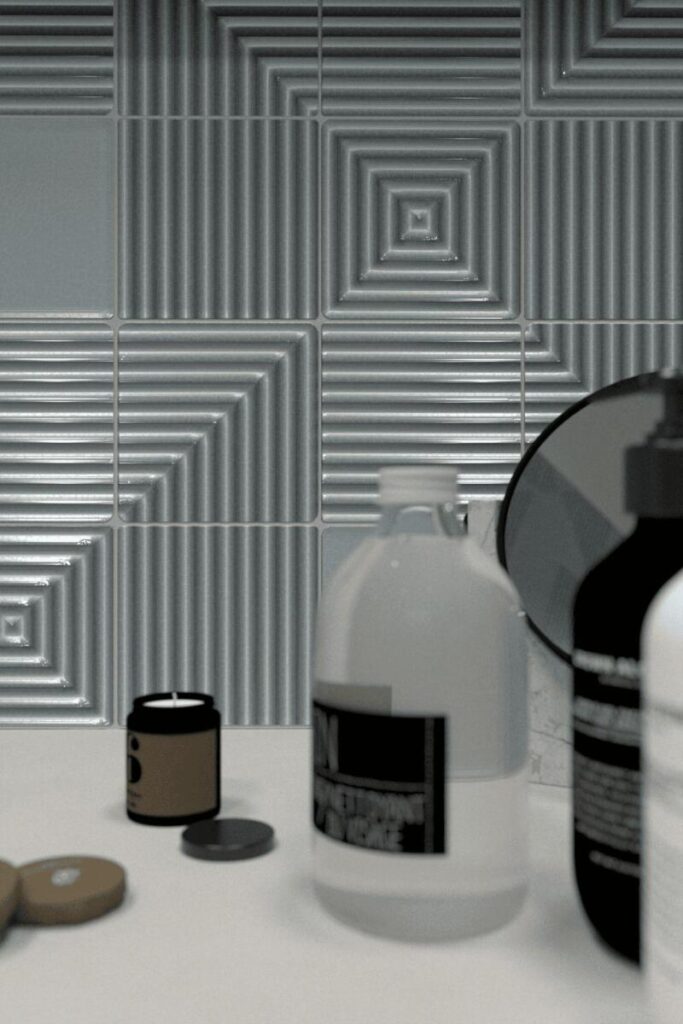
The future of architectural surfaces will emerge from this conversation between digital innovation and human judgement. Algorithms are already generating many possibilities, yet they cannot replace intuition, cultural understanding or an appreciation of material. Craft gives ideas their permanence and digital technology expands the space in which those ideas can be discovered.
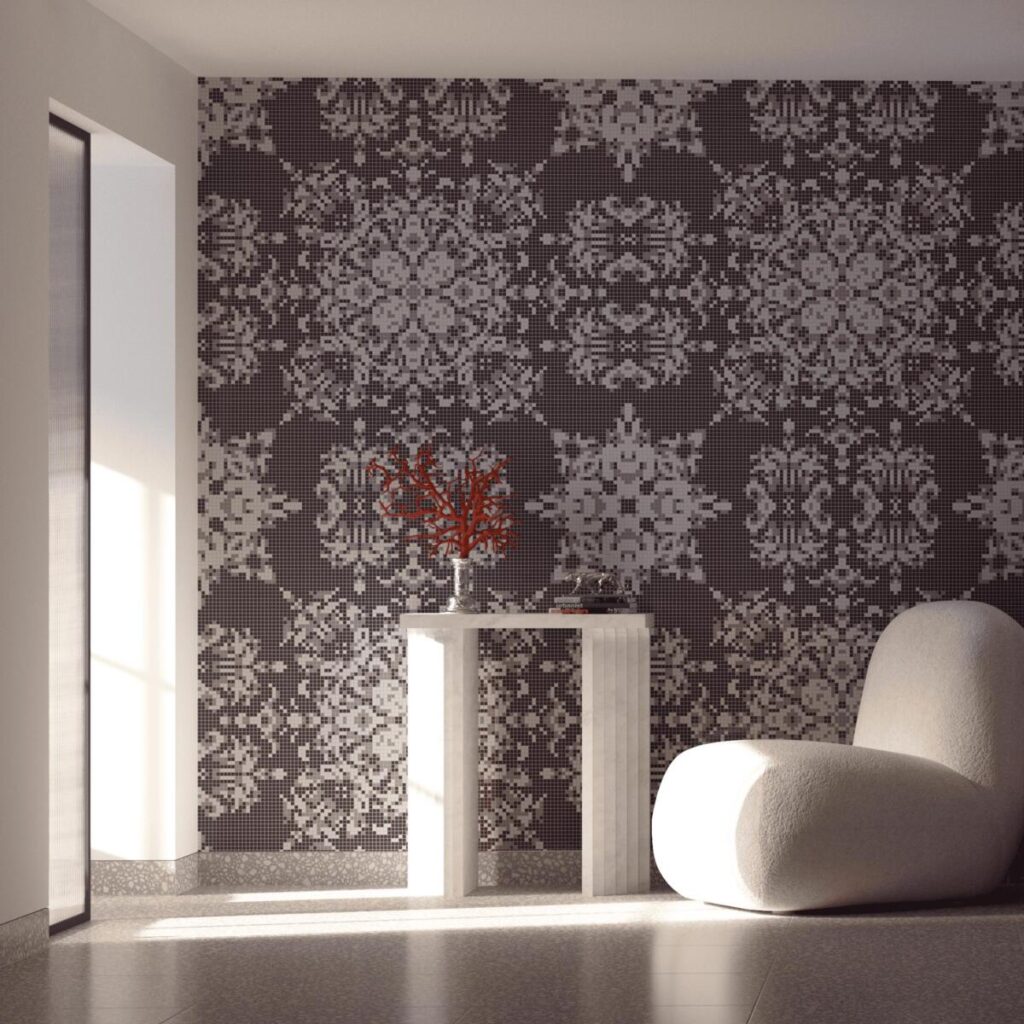
I like to design with digital tools almost invisibly. They have become an essential part of my process and enable me to move quickly through ideas. Using contemporary tools to uncover new visual languages while remaining grounded in the enduring traditions of making is an important balance to maintain. In that sense, innovation is not about moving away from craftsmanship, it is embracing new methods to achieve the same ends without them becoming the subject.It is about giving craftsmanship an even richer vocabulary with which to shape the built environment.”
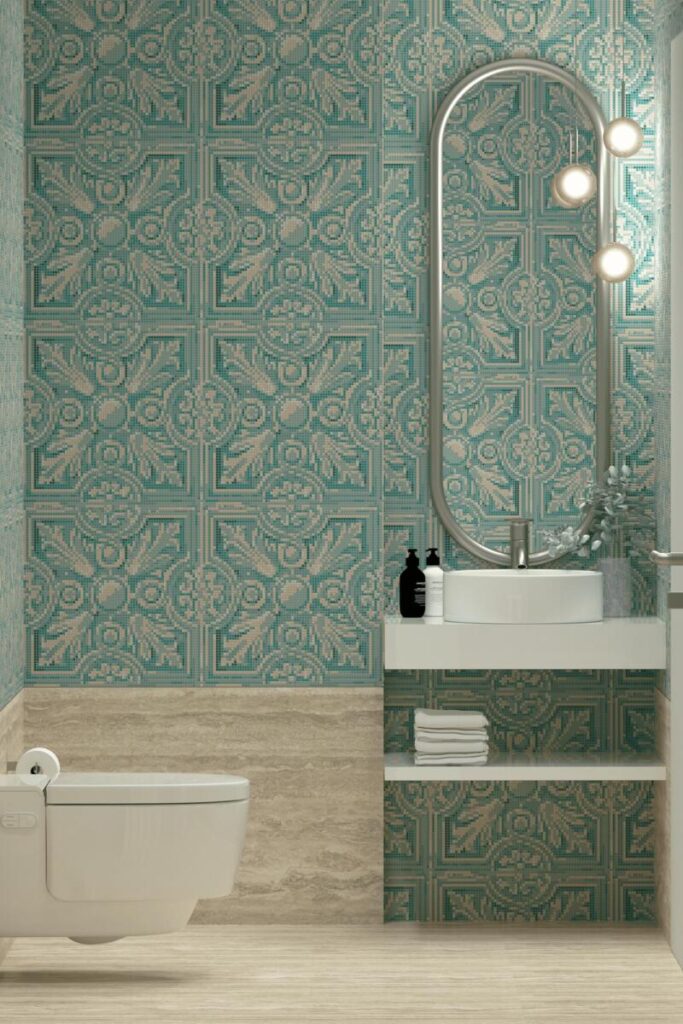
Website: www.stuartrodgers.co.uk

GIPHY App Key not set. Please check settings