
Antoni Gaudí Architect a Design Icon
Antoni Gaudí was more than an architect, he was a dreamer, a craftsman, and a revolutionary mind who transformed the way we see space, form, and faith
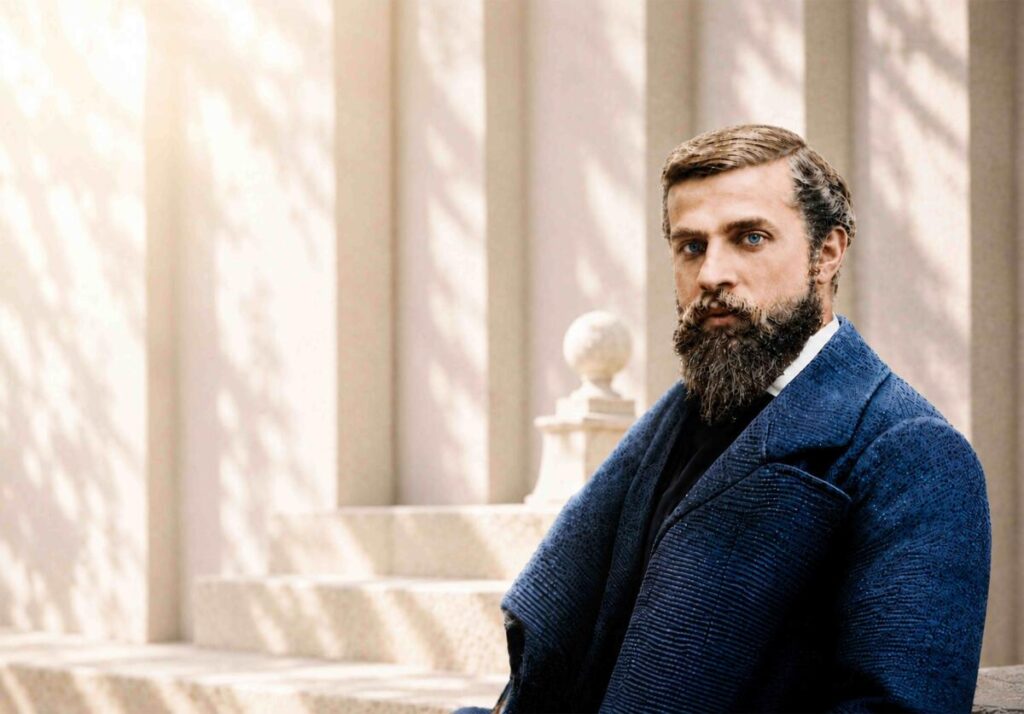
“To do things right, first you need love, then technique.”
- Antoni Gaudi
Antoni Gaudi was a Catalan architect and designer from Spain, widely known as the greatest exponent of Catalan Modernisme.
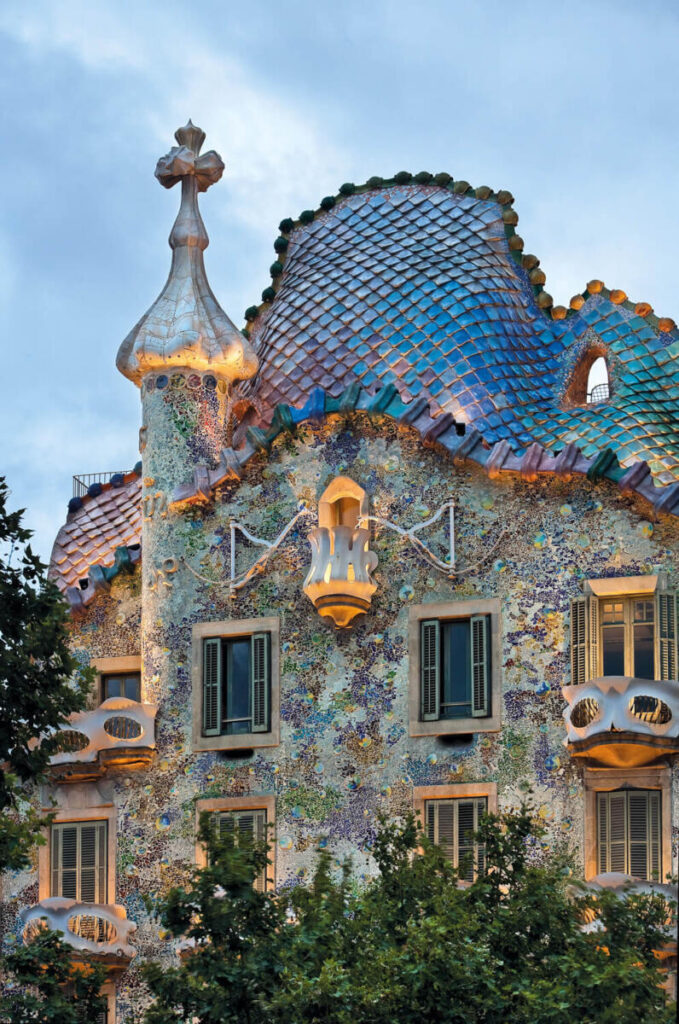
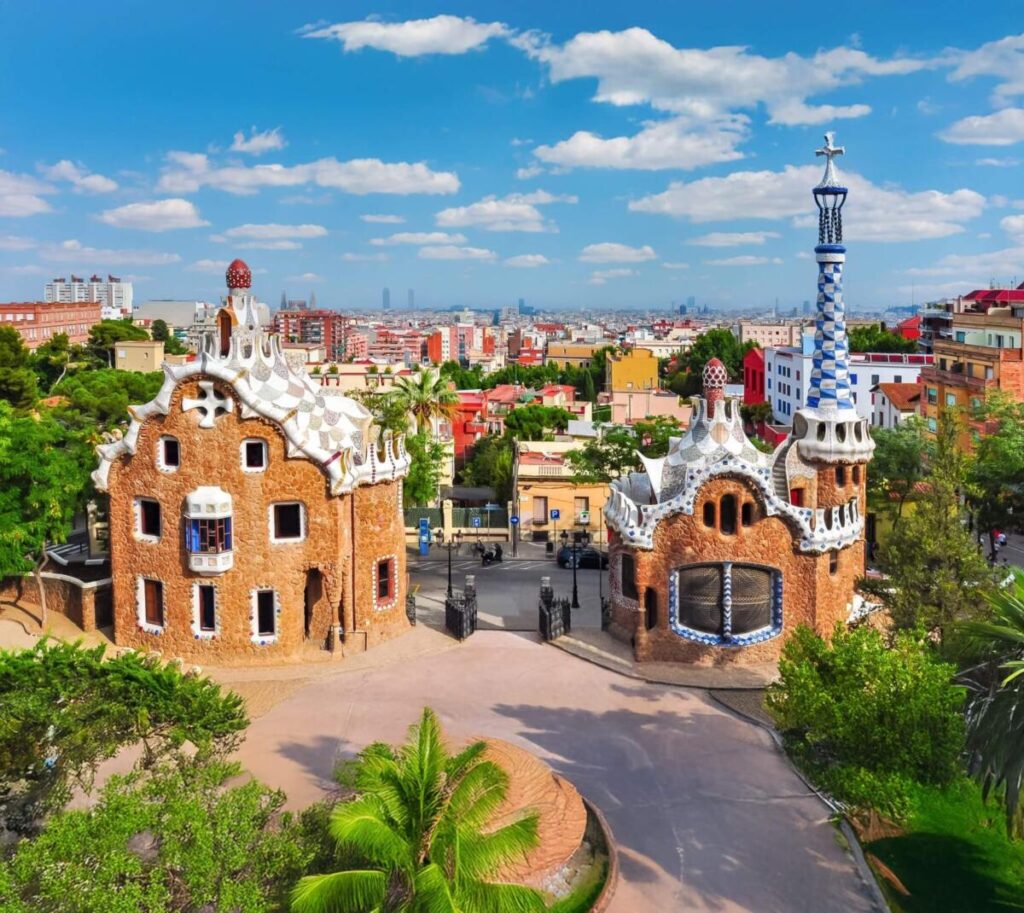
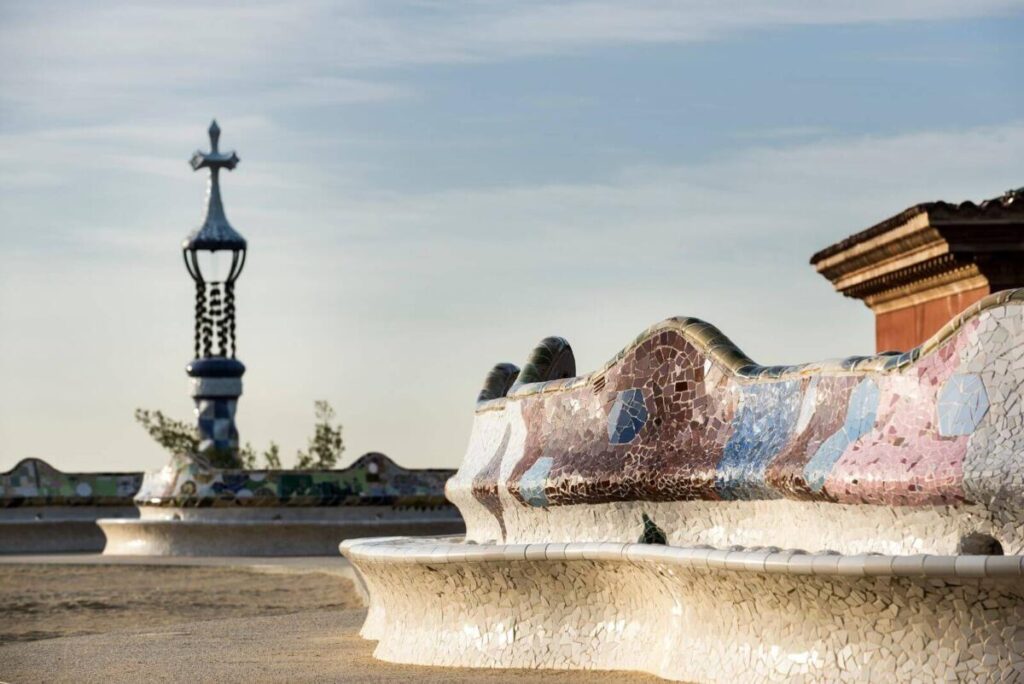
Gaudí’s work was influenced by his passions in life: architecture, nature, and religion.He considered every detail of his creations and combined crafts such as ceramics, stained glass, wrought ironwork forging, and carpentry. He introduced new techniques in the treatment of materials, such as trencadís which used waste ceramic pieces.
Influenced by neo-Gothic art and Oriental techniques, Gaudí became part of the Modernista movement, which peaked in the late 19th and early 20th centuries. His work eventually transcended mainstream Modernisme, developing into a unique style inspired by natural forms. Gaudí rarely drew detailed plans, preferring to create three-dimensional scale models and mold the details as he conceived them.
Gaudí’s work enjoys global admiration and ongoing study. His masterpiece, the still-incomplete Sagrada Família, is the most-visited monument in Spain.Between 1984 and 2005, seven of his works were declared UNESCO World Heritage Sites.
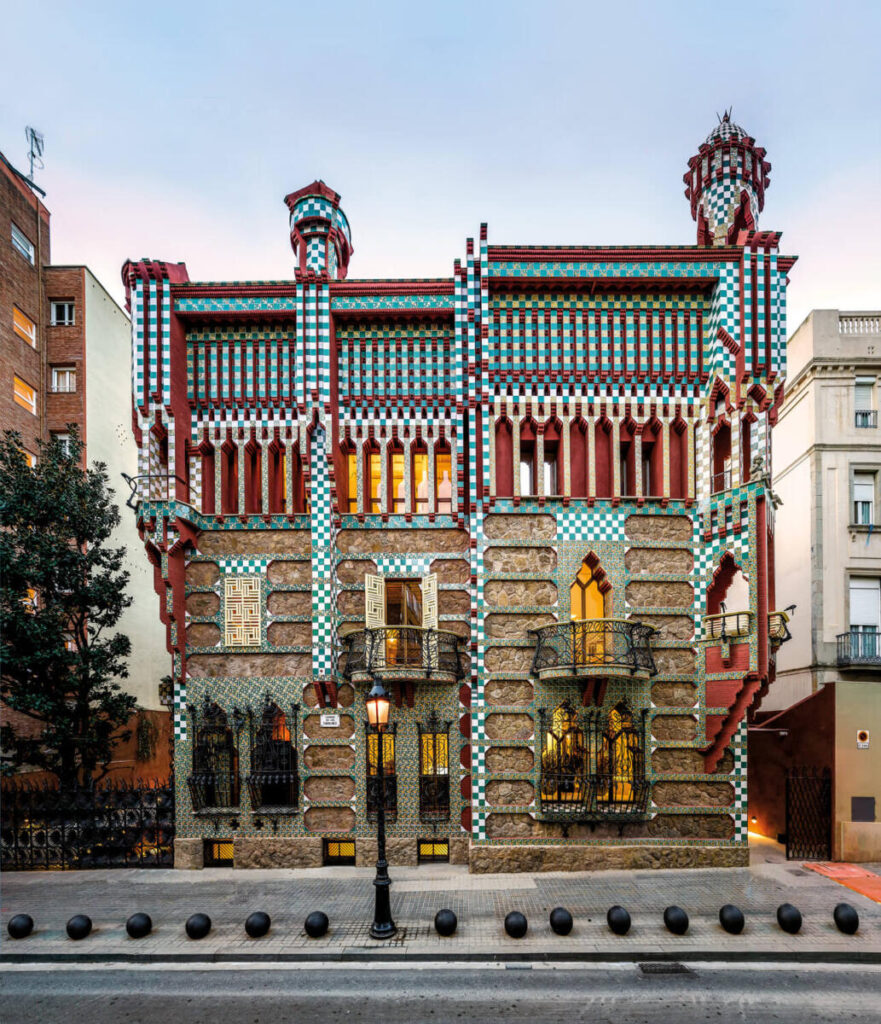
Gaudí’s first projects were the lampposts he designed for the Plaça Reial in Barcelona, the unfinished Girossi newsstands, and the Cooperativa Obrera Mataronense (Workers’ Cooperative of Mataró) building. He gained wider recognition for his first important commission, the Casa Vicens, and subsequently received more significant proposals. At the Paris World’s Fair of 1878, Gaudí displayed a showcase he had produced for the glove manufacturer Comella.
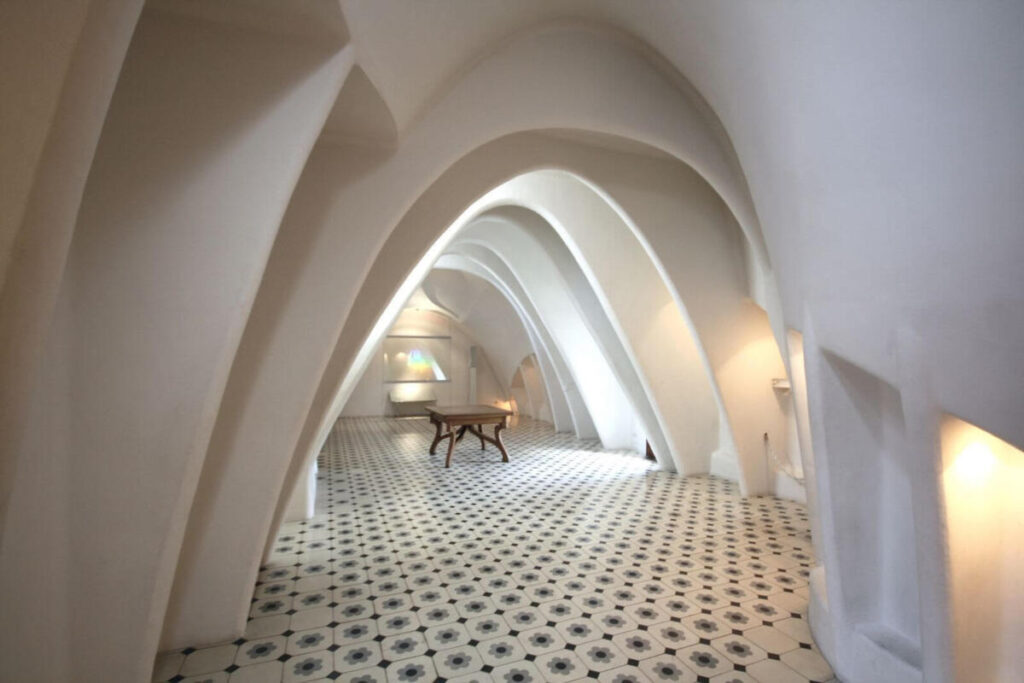
Its functional and aesthetic modernista design impressed Catalan entrepreneur Eusebi Güell, who then commissioned some of Gaudí’s most outstanding work: the Bodegas Güell (wine cellars), the Güell pavilions, the Palau Güell (Güell palace), the Park Güell and the crypt of the church of the ColòniaGüell. Gaudí also became a friend of Antonio López, 1st Marquess of Comillas, Güell’s father-in-law, for whom he designed “El Capricho” in Comillas, Cantabria, Gaudí designed other buildings in Spain.
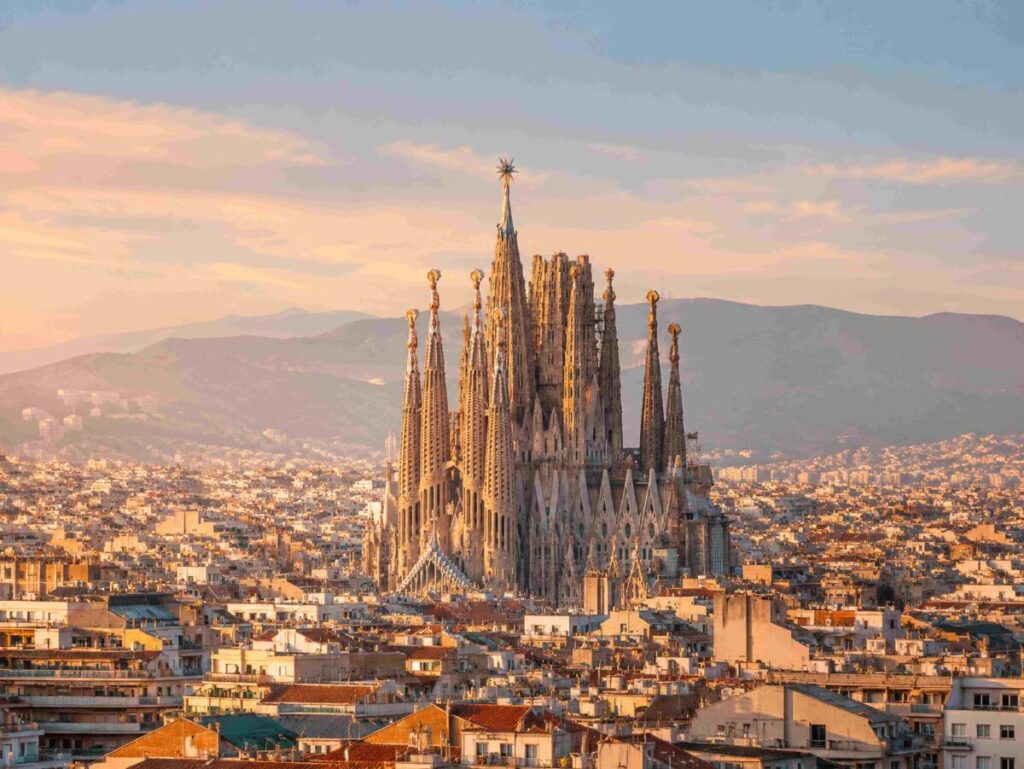
In 1883 Gaudí was put in charge of the recently initiated project to build a Barcelona church called Basílica i Temple Expiatori de la Sagrada Família (‘basilica and expiatory church of the holy family’; or, simply, Sagrada Família, ‘holy family’). Gaudí completely changed the initial design and imbued it with his own distinctive style. From 1915 until his death, he devoted himself entirely to this project.
Gaudí’s influence extends far beyond Catalonia. Architects, urbanists, and artists across the globe continue to draw inspiration from his innovative methods and spiritual philosophy. His commitment to integrating nature into design anticipated ecological and sustainable architecture by decades.
Antoni Gaudí did not merely construct buildings—he constructed visions, myths, and worlds in stone. He was a dreamer, an alchemist, and a revolutionary who blended the mystical with the mathematical, the organic with the divine. In a time of industrialization and mass production, he turned back to craftsmanship, to the irregular perfection of nature, and to the eternal truths of faith.
Nearly a century after his death, Antoni Gaudí remains a singular figure in world architecture. His genius lives on—not just in stone, but in the hearts of those moved by the beauty he left behind.

GIPHY App Key not set. Please check settings